REFLEKT
FIELD APPLICATION DESIGN
ROLE RESEARCH, IDEATION, CONCEPT, VISUAL DESIGN, USER TESTING
COLLABORATOR JUST ME
DURATION FOUR MONTHS
LOCATION & YEAR SCHWÄBISCH GMÜND, 2026
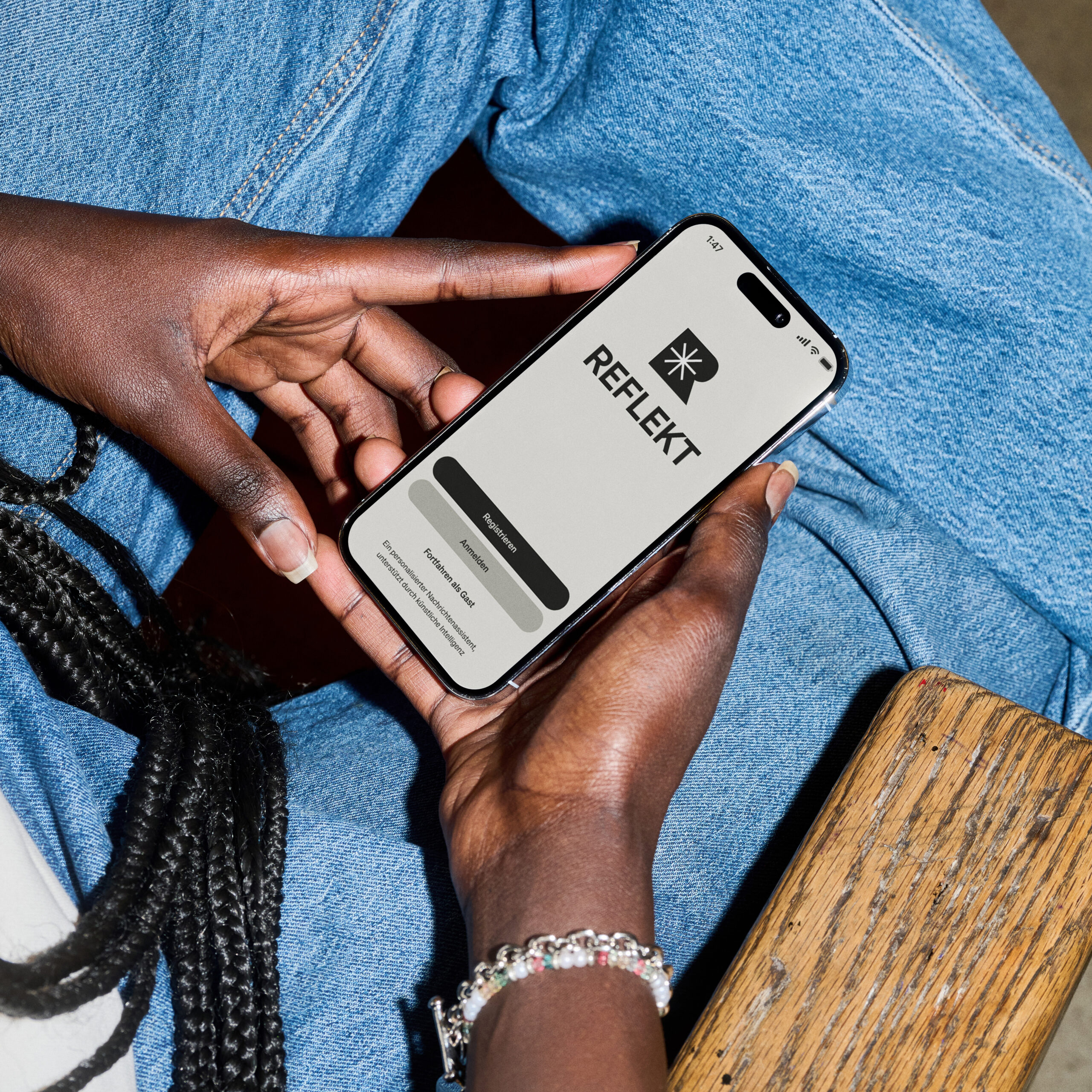
Reflekt offers young people a new way to understand and contextualise political content in their digital everyday life. The app combines AI‑driven content analysis with an intuitive interface that transforms fragmented news from social media and the web into clear, structured information. Reflekt helps to reduce political complexity, contextualise sources, and support users in developing their own stance without imposing opinions.
Problem
We are confronted daily with a flood of information: news, opinions and data from countless sources. On social media, news consumption often lacks context. Algorithms quickly create echo chambers and knowledge bubbles, where opinions can radicalise and fake news spreads at an alarming rate. Political content often appears in short, emotionally charged and context‑poor formats. This makes it harder to understand key statements, assess sources, establish connections and develop one's own political stance.

Research
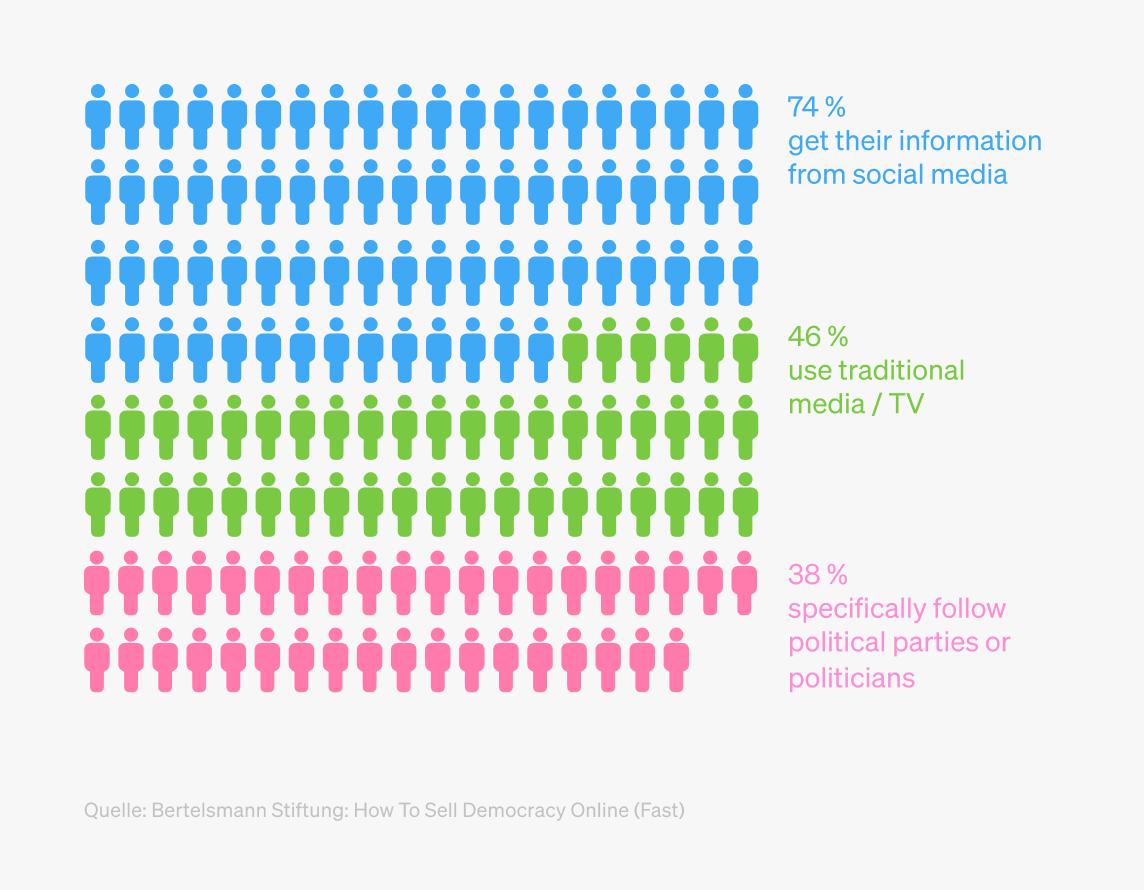
Young people today are more interested in politics than often assumed. According to the Shell Youth Study 2024, around half of young people in Germany describe themselves as politically interested – a clear increase compared to the early 2000s.
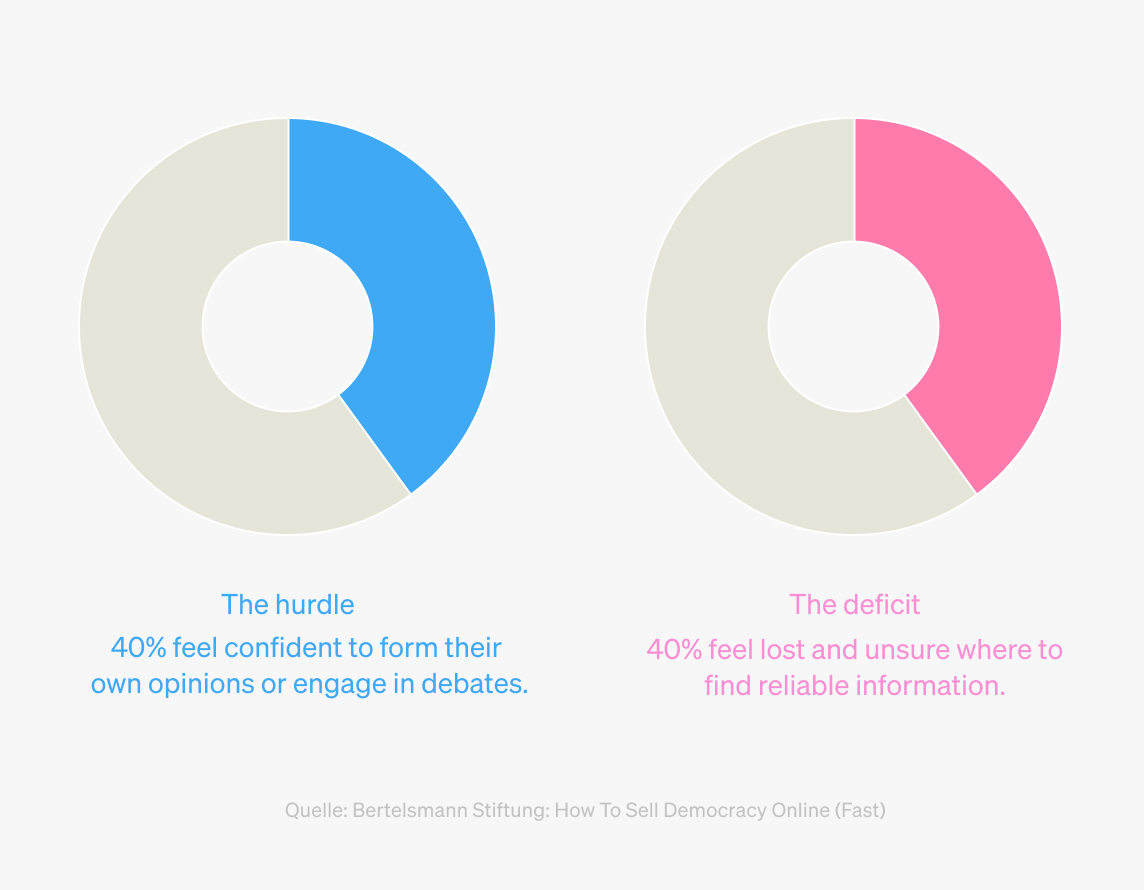
Despite this growing interest, many feel uncertain when it comes to understanding and assessing political issues. Only about four in ten feel confident enough to judge political topics independently or to take part in political discussions. At the same time, a similar share report not knowing where to start and do not feel sufficiently informed or competent.
Takeaways
User tests and interviews revealed a clear pattern among 16–25-year-olds: They are interested in social issues but often feel unsure or overwhelmed when evaluating political content. The constant flow of news, opinions, and misinformation makes it difficult to assess sources, connect fragmented information, and understand the bigger picture. Politics often feels distant and abstract, with little connection to everyday life.
Concept
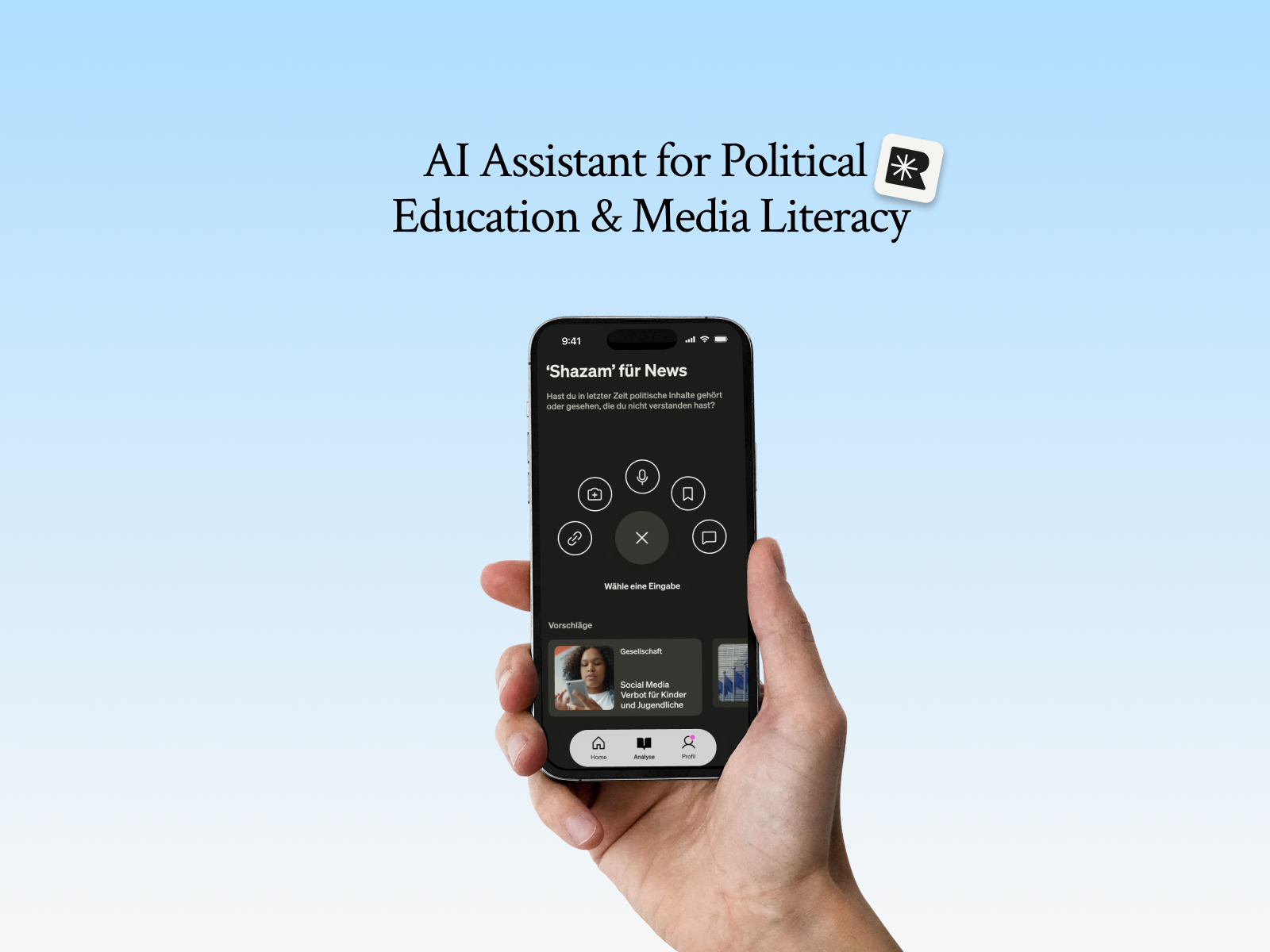
The vision behind Reflekt was to provide an easily accessible way to make the fragmented content from everyday media more comprehensible, and to become a personal AI companion for young people, helping them navigate the political landscape.
News Upload
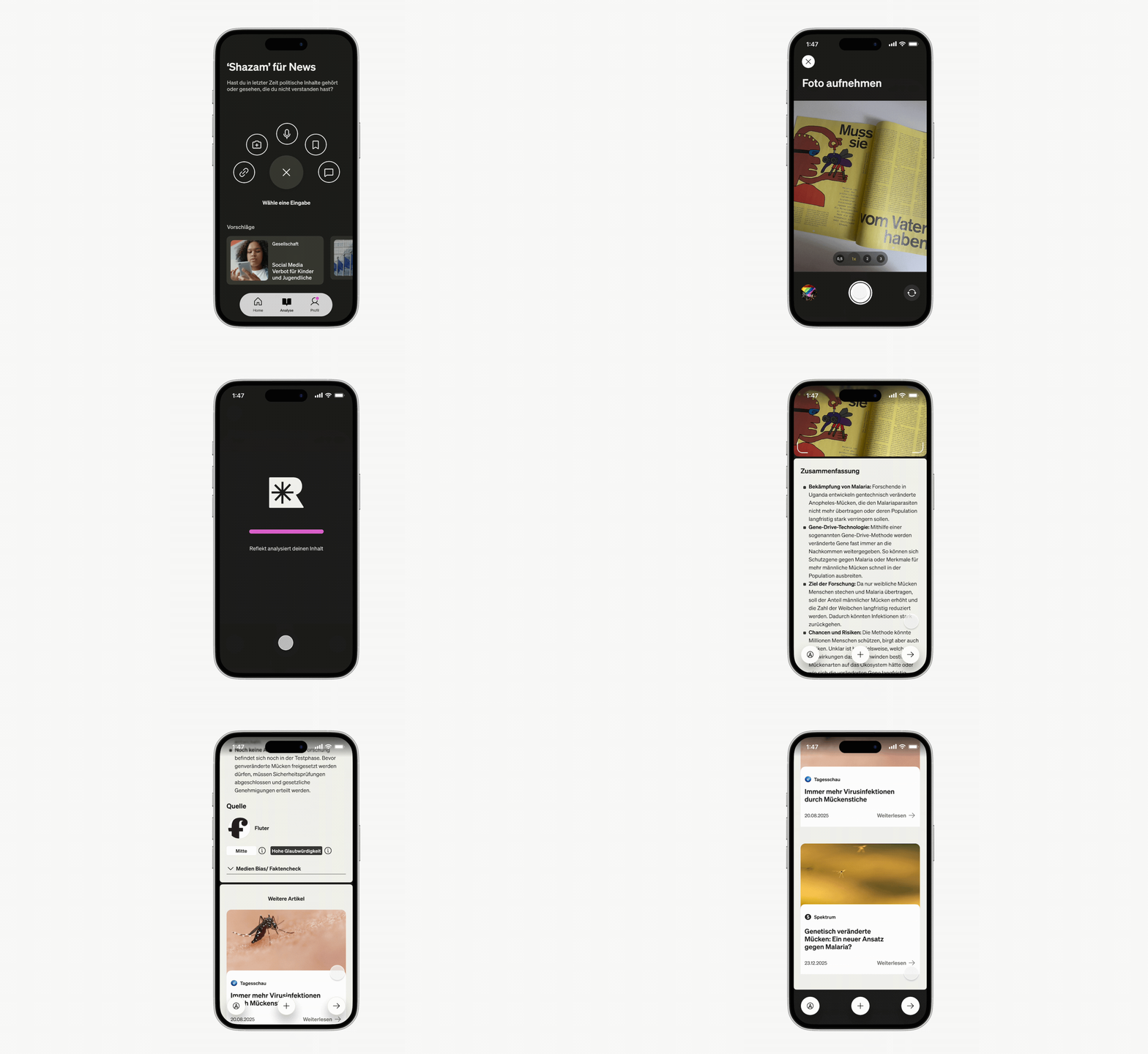
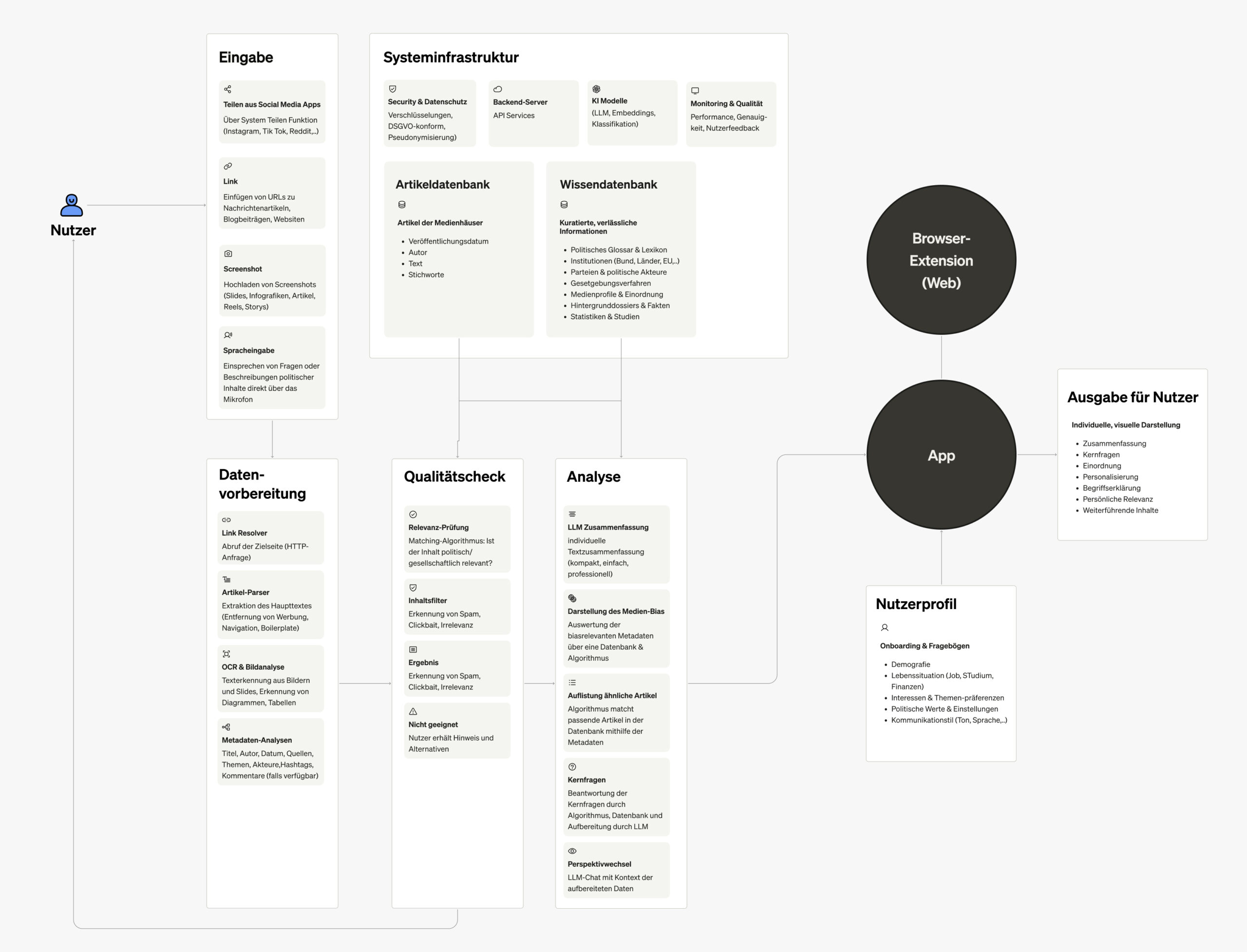
Users can transfer political content to the app via link, screenshot, photo, text, or voice input. Processes such as parsing and OCR extract relevant information, which is then analysed and structured by AI. It identifies political terms, institutions, and subject areas, assesses political relevance, and transparently highlights features such as clickbait, emotional language, or problematic sources, with visible sources as supporting assessments.
Individual Analysis
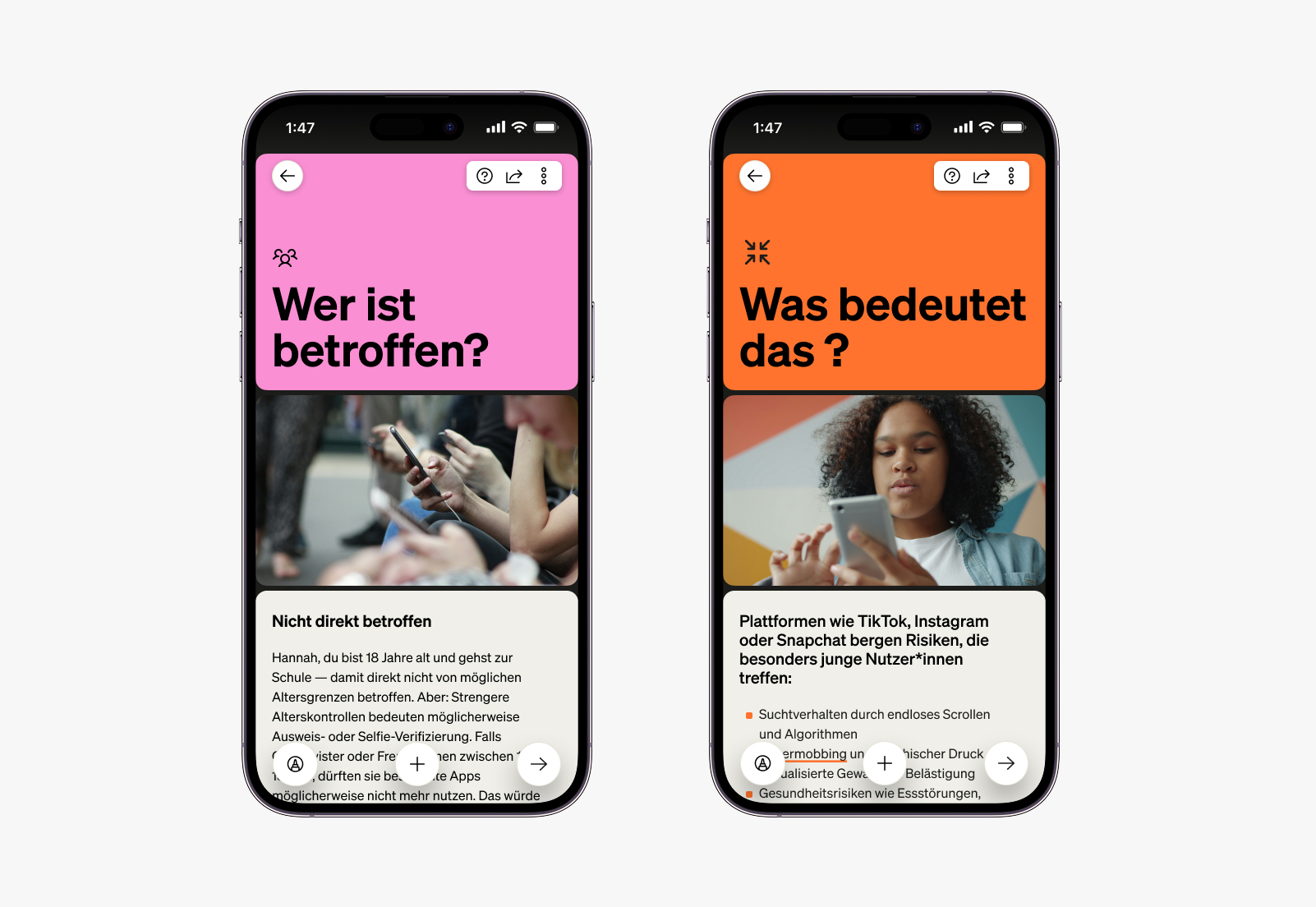
Reflekt offers a tailored analysis of political content that aligns with users' preferences. The evaluation follows five guiding questions. This structure helps to break down complex topics into manageable sections for gradual understanding.
When creating a profile, users can choose how they prefer content to be presented, whether succinct and brief, simply explained, or professionally detailed. The AI adjusts its explanatory style accordingly and conveys information at the chosen language level. Depending on the settings, the analyses are supplemented with images, videos, or graphics to cater to different learning styles.
Navigation
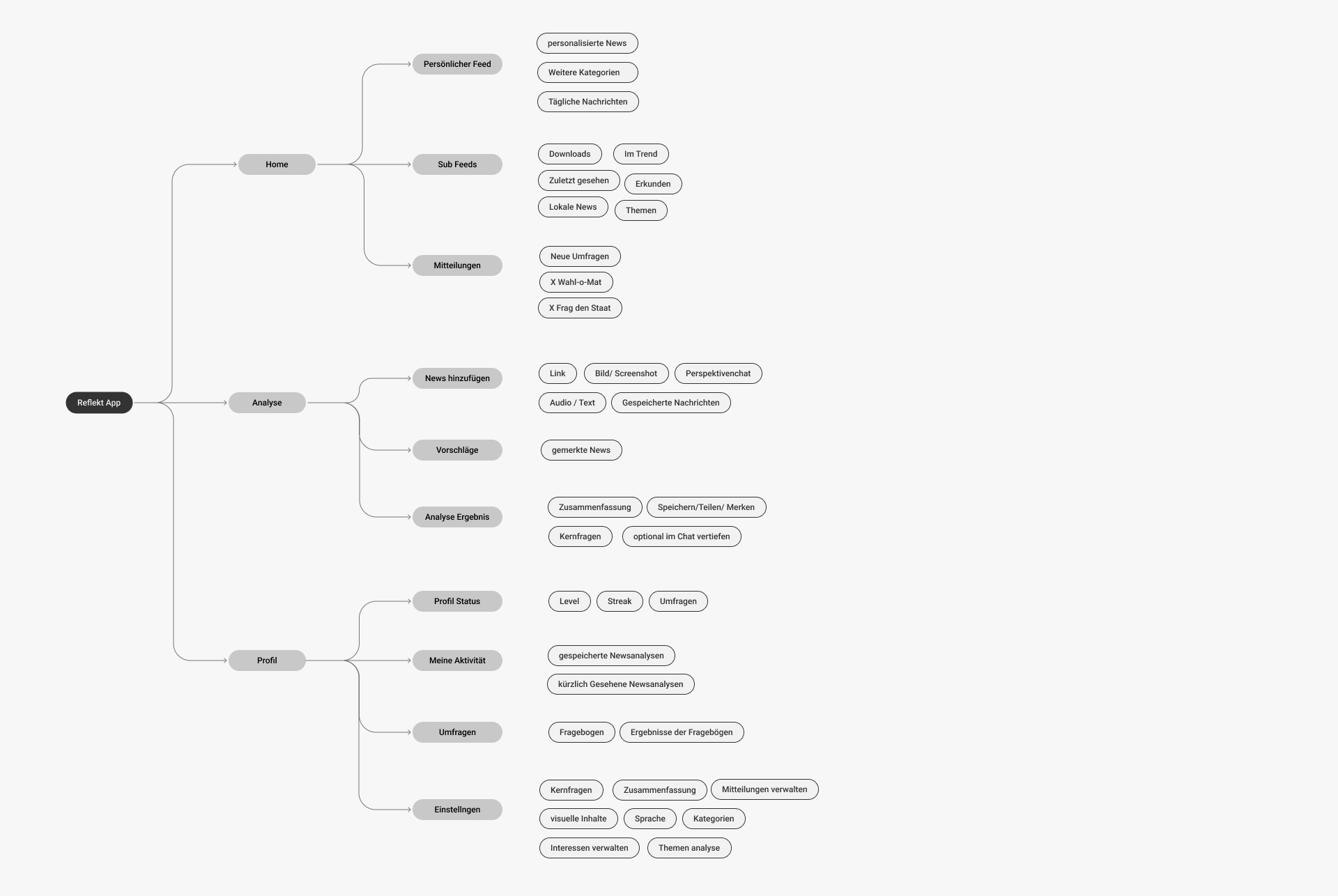
Users can choose for themselves which guiding question to start with or be guided step by step through the analysis. The final question presents concrete opportunities for participation such as petitions, demonstrations, or youth parliaments.

Gamifaction
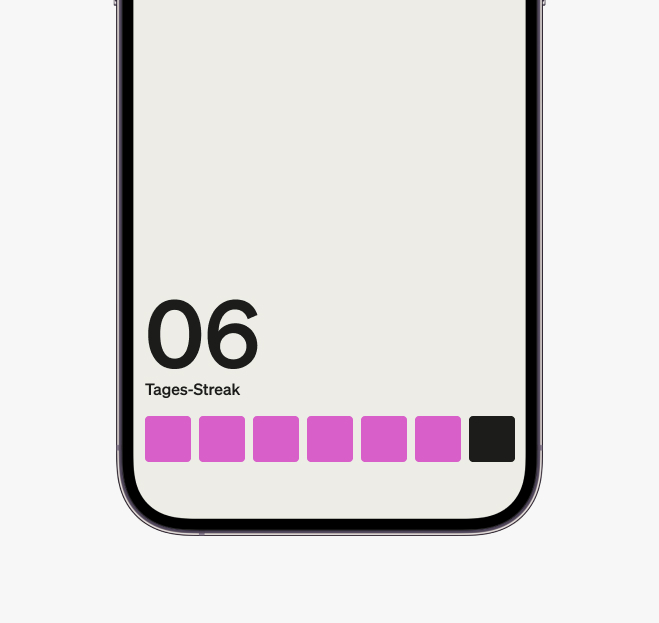
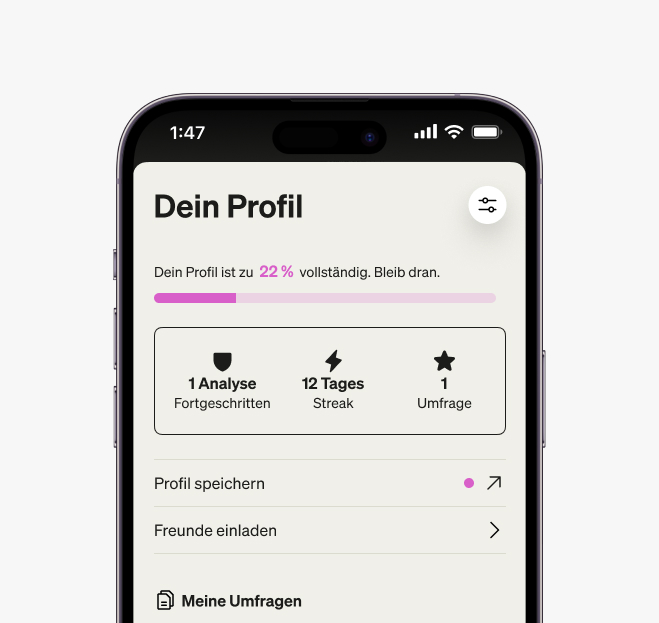
For each new analysis, users collect points and level up – from news beginner to news guru. A streak feature rewards daily use and encourages regular reflection.
Personalisation
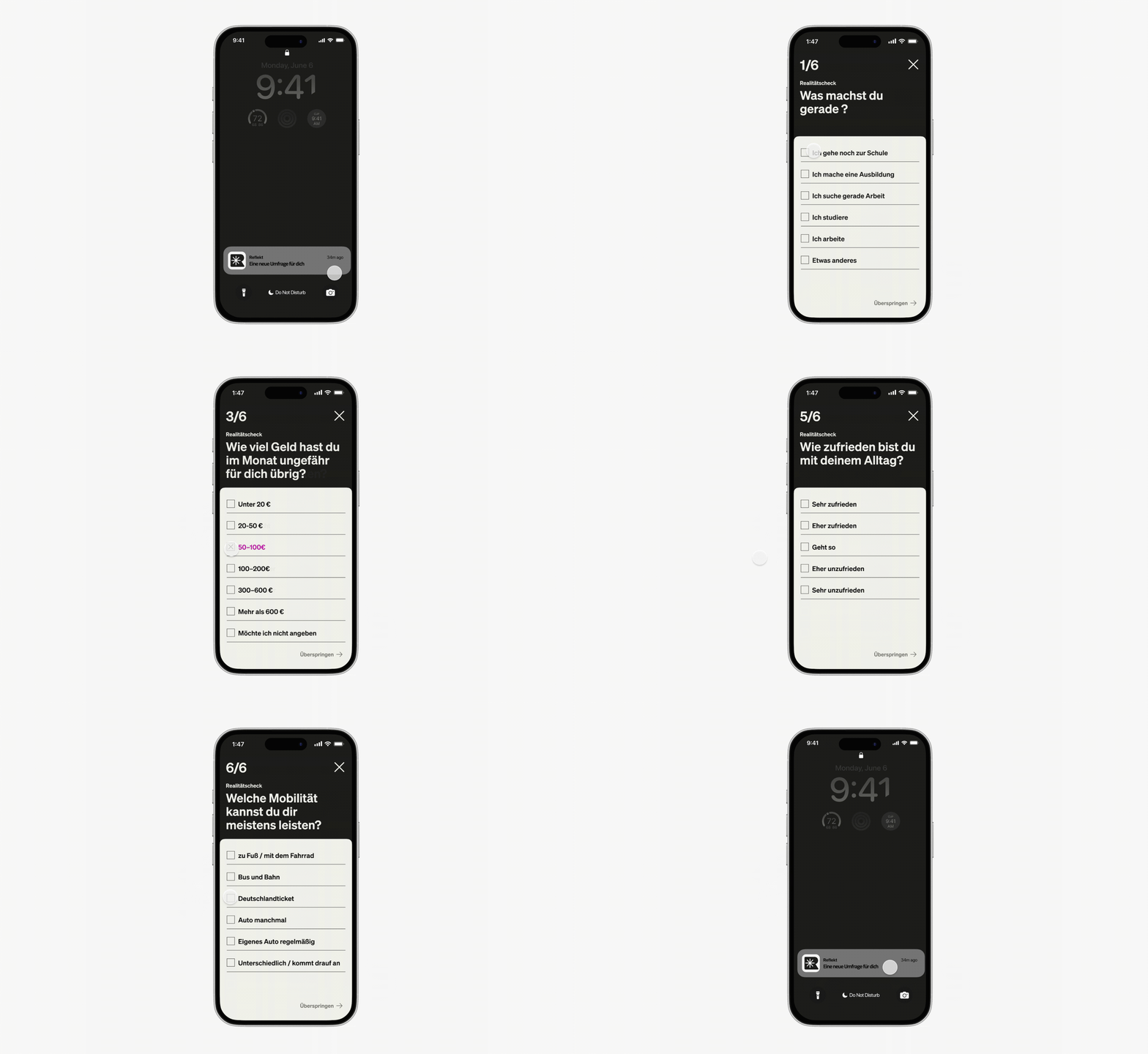
With each use, Reflekt learns more about its users. This is done through previously generated analyses, as well as voluntary questionnaires regarding life realities and political views. Future analyses can thus be more personalised and tailored to individual questions.
Expanding Perspectives
Additionally, further articles from different perspectives are displayed to broaden one’s horizons. A dialogical perspective chat allows users to learn about various societal positions and reflect on their own viewpoints.



Browser Extension
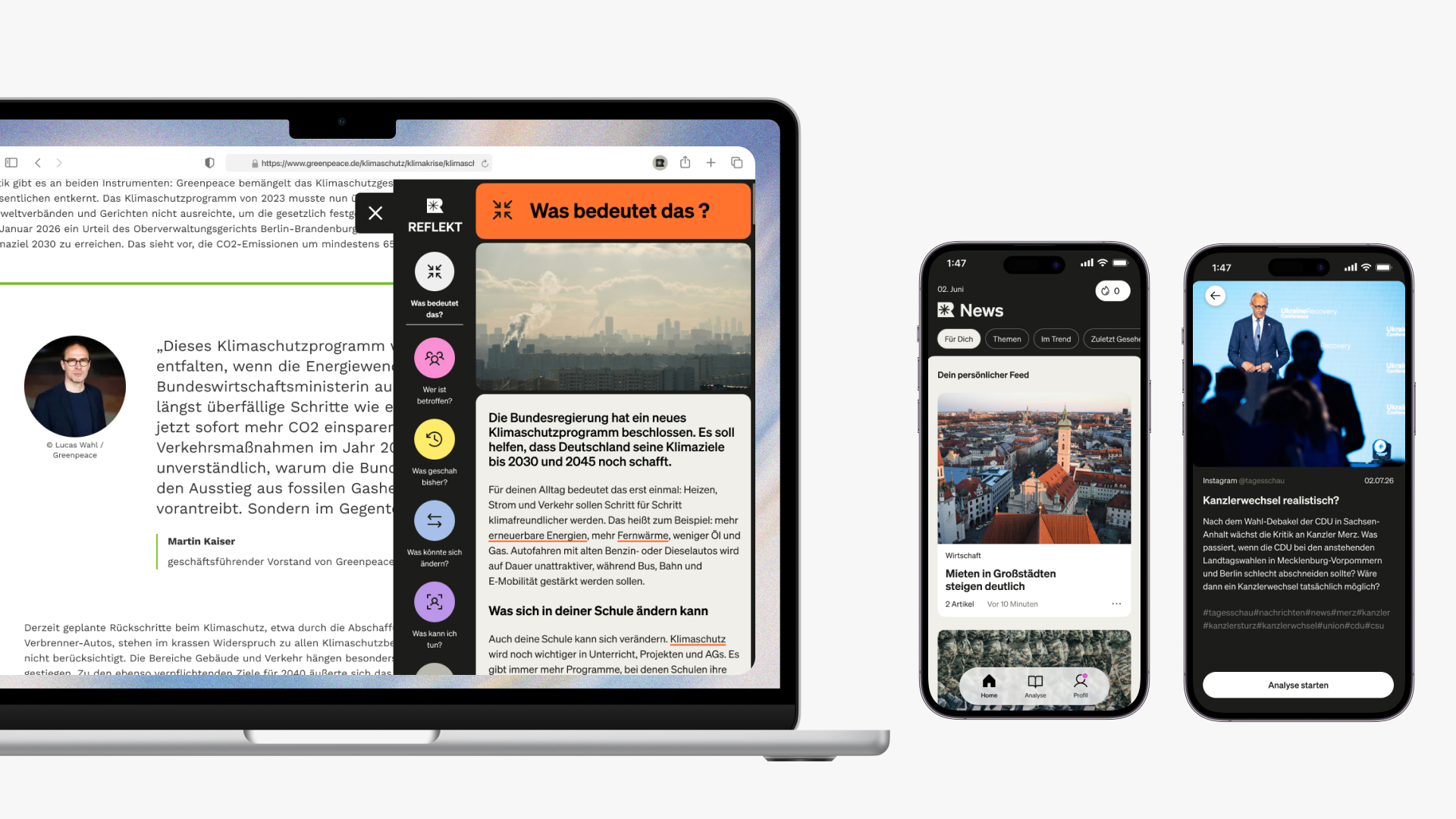
As your feed does not tell the whole story, the browser extension enables direct analysis of content while browsing. Users can have political posts on social media platforms or news websites analyzed directly in the browser with Reflekt, without needing to open the app.
Technology behind it
Reflekt combines AI-driven content analysis with an intuitive user interface. The features have been conceptually and prototypically developed; a complete technical implementation represents a potential next step in development.
Validation
Prototype testing with early users showed that the app’s core concept centralized, easy-to-understand political information was very well received. Participants described the app as clear and empowering, and praised the chat feature and analytics screens for conveying key insights “at a glance” without overwhelming the user. Feedback highlighted the intuitive navigation and the seamless import of content from social media. Overall, users reported feeling less overwhelmed by information and expressed a strong willingness to integrate the app into their daily lives.
Reflexion
In retrospect, the main challenge lay less in individual interface details than in maintaining a clear focus within a broad thematic field. Balancing conceptual depth with technical feasibility shaped key decisions, leading to a design-driven prototype that demonstrates core interactions and scenarios rather than full technical implementation. Working as a solo project highlighted both the demands of managing concept, visuals, and testing independently, and the value of peer feedback in sharpening the direction. Ultimately, the process underscored how closely design, didactics, and technology intersect in political tools and how even small choices in language, structure, and interaction can determine whether content feels accessible, overwhelming, or patronizing.
Isabell Kaletka
© 2022 - 2026
All Rights Reserved
isabell.kaletka@icloud.com
LinkedIn